
Debunking Common Myths About Dutch Immigration Law


Understanding the Basics of Dutch Immigration Law
Many misconceptions surround Dutch immigration law, often leading to confusion among those considering moving to the Netherlands. Understanding the fundamental principles can help in navigating the complexities of the system. The Dutch government has established clear guidelines, but myths still pervade.
Myth 1: Immigration to the Netherlands is Nearly Impossible
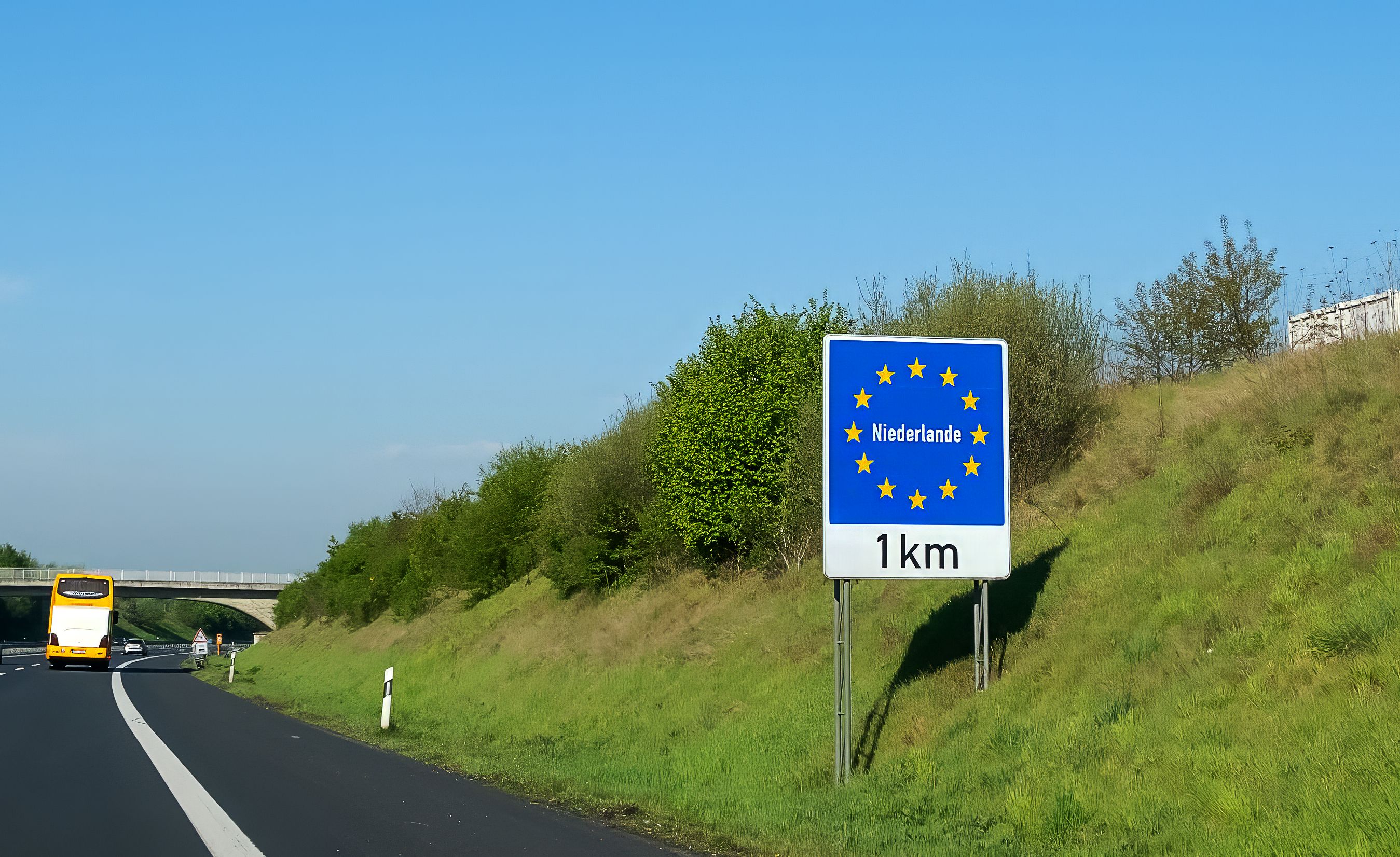
One of the most common myths is that moving to the Netherlands is an insurmountable challenge. While it is true that the Dutch government has stringent requirements, the process is straightforward for those who meet the criteria. Various visa options are available, including work permits, student visas, and family reunification options.
The key is understanding which category fits your situation and ensuring all documentation is complete and accurate. Proper preparation can significantly ease the journey.
Myth 2: You Must Speak Dutch Fluently
Another widespread belief is that fluency in Dutch is mandatory for all immigrants. While learning the language certainly helps in daily life and assimilation, it is not a requirement for every visa category. Many expats live and work in the Netherlands using English, especially in international companies.

Myth 3: All Immigrants Must Have a Job Offer
While having a job offer can streamline the immigration process, it's not a necessity for everyone. For instance, students can apply for residence permits to pursue their studies, and entrepreneurs can explore options under the startup visa scheme.
It's important to explore all available pathways and choose the one that aligns with your goals and qualifications.
Clarifying Residency and Citizenship
Another layer of confusion often arises around residency and citizenship. These are separate processes with different requirements and timelines. Residency is typically the first step, allowing individuals to live and work in the country legally.
Myth 4: Permanent Residency Equals Citizenship
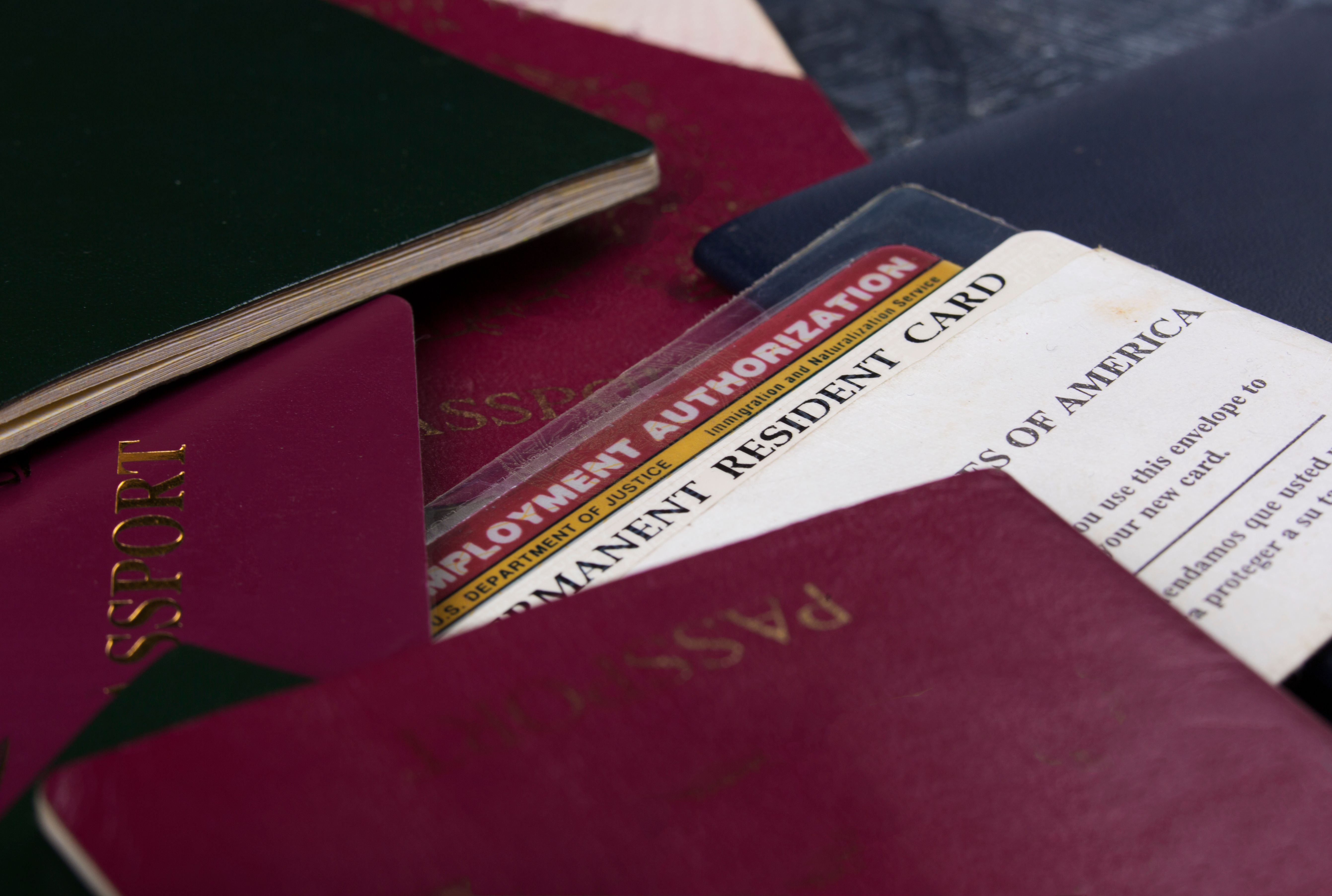
Permanent residency and citizenship are distinct statuses. Permanent residency allows individuals to stay indefinitely, but it does not grant voting rights or a Dutch passport. Citizenship, on the other hand, provides these privileges and requires a separate application process.
Understanding the difference is crucial for planning long-term goals in the Netherlands.
Myth 5: The Process is Uniform for All
Another misconception is that the immigration process is the same for everyone. In reality, the process varies depending on the individual's country of origin, specific circumstances, and the type of visa being applied for. The EU citizens, for example, face different requirements compared to non-EU residents.
Conclusion
Debunking these common myths can help potential immigrants approach Dutch immigration law with a clearer understanding and realistic expectations. Thorough research and proper guidance can pave the way for a successful move to the Netherlands, highlighting the importance of separating fact from fiction.
By knowing the truth behind these myths, individuals can better navigate the system and make informed decisions about their future in the Netherlands.