A Guide to Starting a Business in the Netherlands: Legal Essentials


Understanding the Business Landscape
The Netherlands is known for its dynamic and innovative business environment. Whether you're a startup or an established business, understanding the legal essentials is crucial for success. The country offers a supportive infrastructure, but navigating the legal landscape requires attention to detail.

The Dutch government provides various resources to assist entrepreneurs. However, understanding local regulations, tax obligations, and business structures can be complex. This guide aims to simplify these aspects and help you kickstart your business journey in the Netherlands.
Choosing the Right Business Structure
One of the first steps in starting a business in the Netherlands is selecting the appropriate business structure. The most common forms include:
- Sole Proprietorship (Eenmanszaak): Ideal for small businesses with a single owner.
- General Partnership (Vennootschap onder Firma or VOF): Suitable for businesses with multiple owners.
- Private Limited Company (Besloten Vennootschap or BV): Offers limited liability protection.

Each structure has its own legal implications, tax requirements, and administrative responsibilities. Consulting with a legal advisor can help you make an informed decision that aligns with your business goals.
Registering Your Business
Once you've chosen a business structure, the next step is registration. All businesses in the Netherlands must register with the Kamer van Koophandel (KvK), or the Dutch Chamber of Commerce. This process involves:
- Choosing a unique business name.
- Providing personal and business details.
- Paying a registration fee.
After registration, you'll receive a unique KvK number, which is essential for legal and administrative purposes.

Understanding Tax Obligations
As a business owner in the Netherlands, understanding tax obligations is crucial. The Dutch tax system includes several types of taxes, such as:
- Value Added Tax (VAT): Applicable to most goods and services.
- Corporate Income Tax: Levied on the profits of limited companies.
- Payroll Taxes: Required if you hire employees.
It's advisable to work with a tax advisor to ensure compliance and optimize your tax strategy.
Complying with Employment Laws
If you plan to hire employees, understanding Dutch employment laws is essential. These laws cover a wide range of topics, including contracts, working hours, and employee rights. Key considerations include:
- Providing written employment contracts.
- Adhering to minimum wage regulations.
- Following health and safety standards.

Compliance with these laws not only protects your business but also fosters a positive work environment.
Protecting Intellectual Property
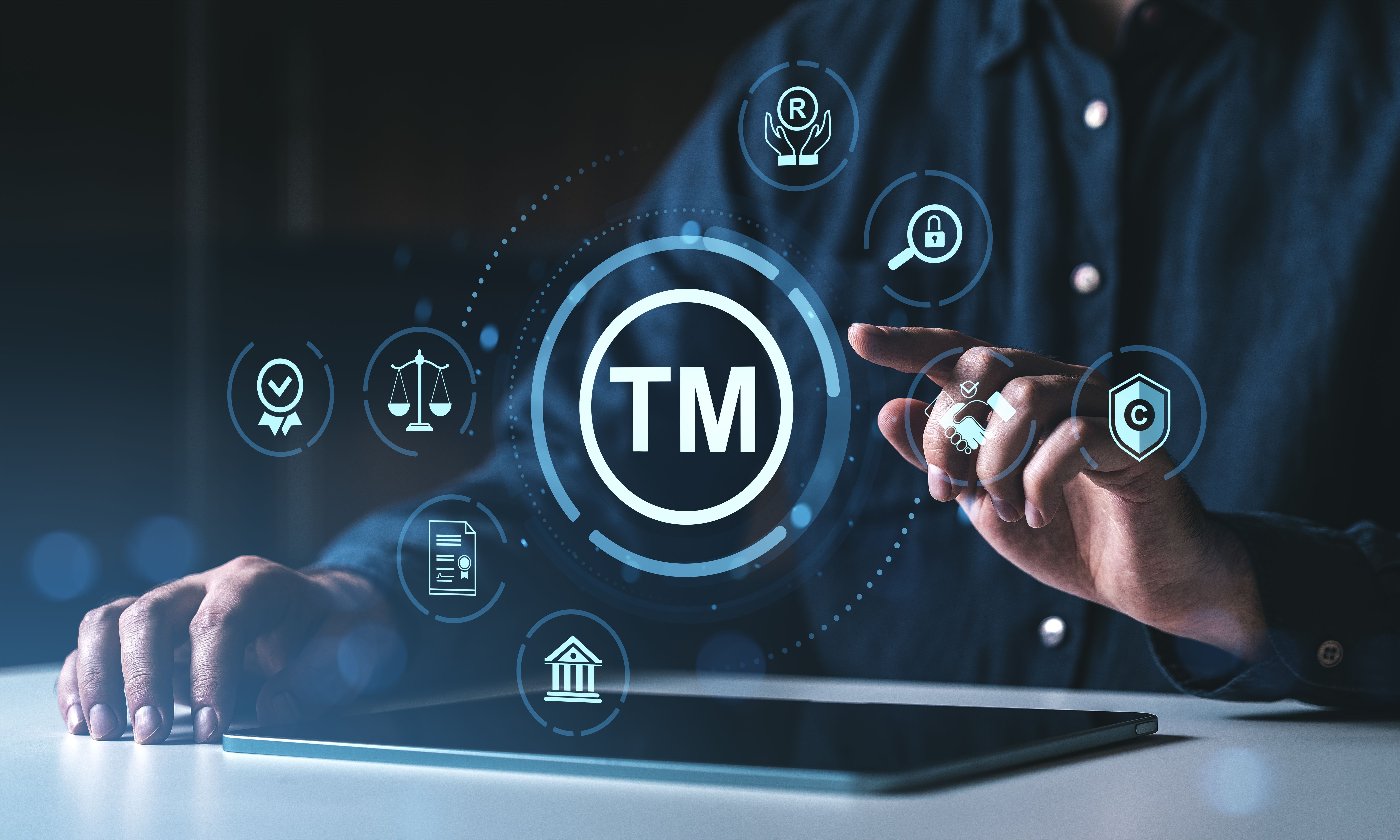
Intellectual property (IP) protection is vital for safeguarding your business ideas and innovations. In the Netherlands, you can protect your IP through:
- Trademarks: For brand names and logos.
- Patents: For inventions and unique processes.
- Copyrights: For creative works like text, music, and software.
Registering your IP rights ensures legal protection and can enhance your business's value and reputation.
Starting a business in the Netherlands involves careful planning and compliance with various legal requirements. By understanding the essentials outlined in this guide, you'll be better equipped to navigate the Dutch business landscape successfully. Whether you're a local entrepreneur or an international investor, these insights will help you establish a strong foundation for your business in the Netherlands.