
Essential Legal Tips for Dutch Entrepreneurs Starting a Business


Starting a business in the Netherlands can be an exciting venture. However, navigating the legal landscape is crucial to ensure your business is compliant and protected. Here are some essential legal tips for Dutch entrepreneurs embarking on this journey.
Choosing the Right Business Structure
Your business structure will significantly impact your legal responsibilities, tax obligations, and personal liability. The most common structures in the Netherlands are sole proprietorship (eenmanszaak), partnership (vof), and private limited company (bv). It's important to weigh the pros and cons of each and consider consulting with a legal advisor to determine the best fit for your business.

Sole Proprietorship
A sole proprietorship is the simplest form, ideal for small businesses. However, it does not offer personal liability protection, meaning your assets could be at risk if your business incurs debt.
Private Limited Company
A private limited company (bv) provides limited liability protection, which many entrepreneurs find appealing. However, it requires more administrative work and compliance with Dutch corporate laws.
Registering with the Chamber of Commerce
All businesses in the Netherlands must register with the Dutch Chamber of Commerce (KvK). This registration provides you with a unique KvK number, which is essential for conducting business activities legally within the country.
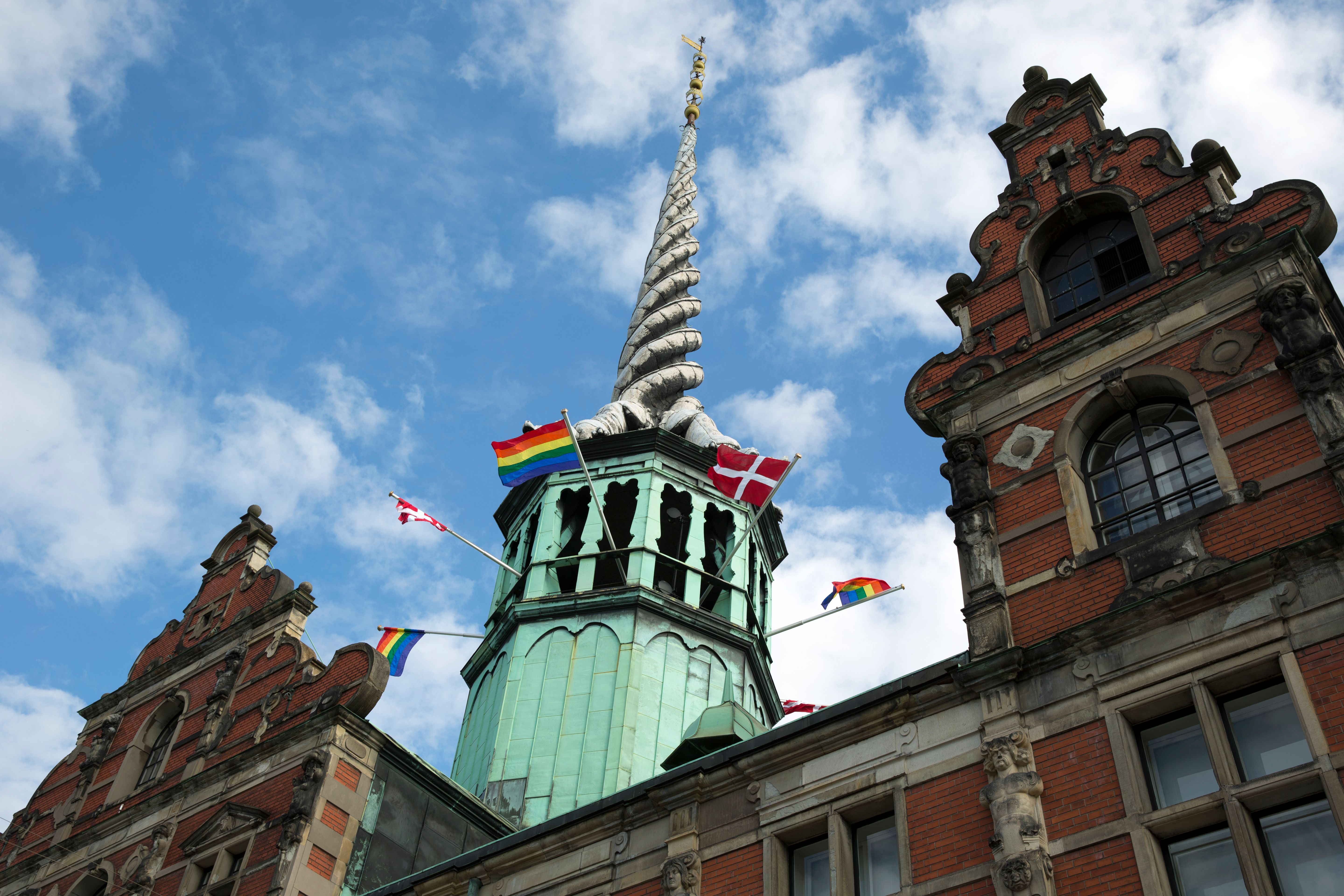
During registration, you'll need to provide details such as your business name, activities, and legal structure. Be sure to have all necessary documents ready to streamline the process.
Understanding Tax Obligations
Familiarize yourself with Dutch tax laws to avoid any compliance issues. The Netherlands has a straightforward tax system, but it's important to understand your obligations concerning income tax, VAT, and corporate tax.
VAT Registration
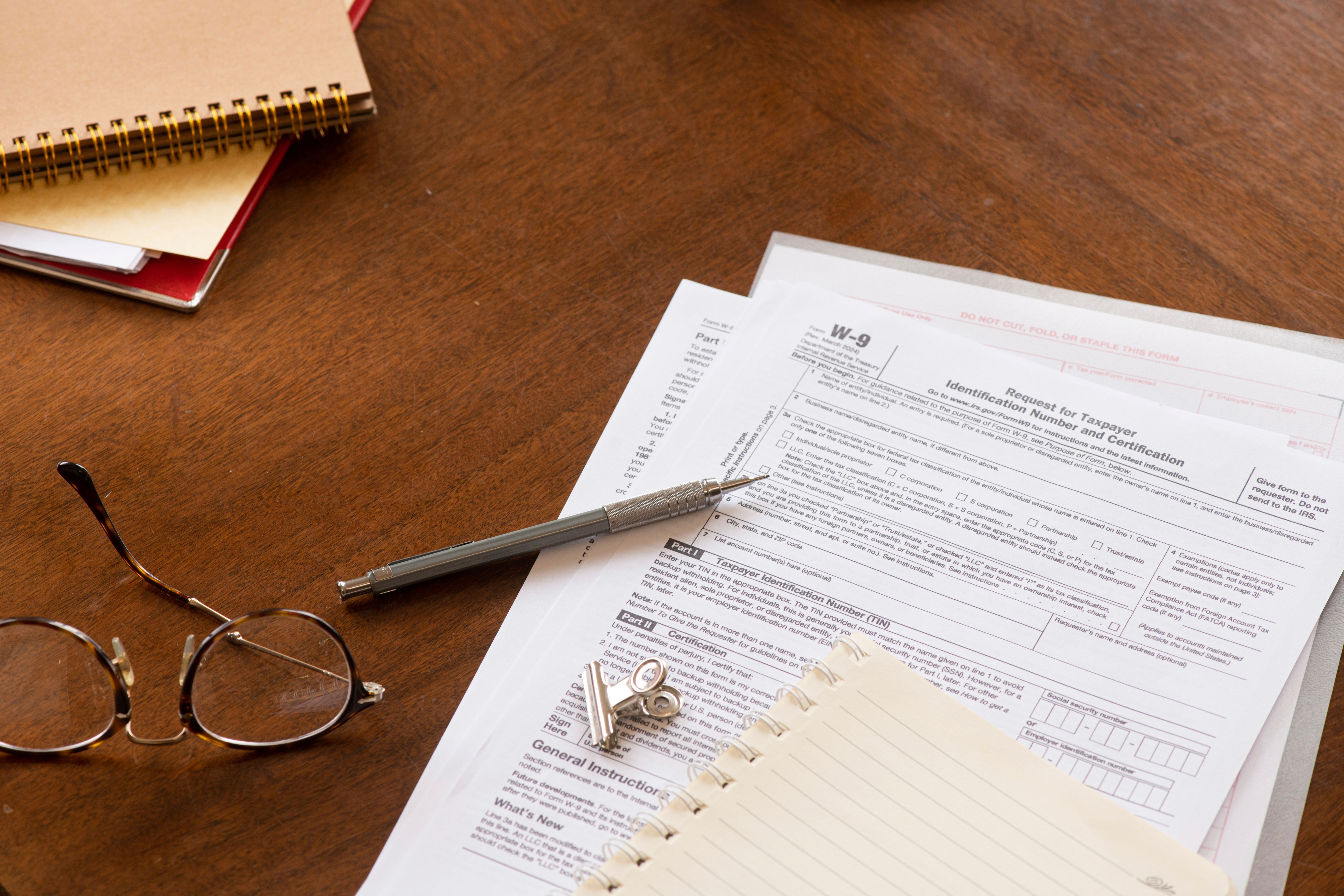
If your business provides goods or services, you'll likely need to register for VAT. The standard VAT rate is 21%, but there are reduced rates for certain products and services. Ensure you are aware of the rates applicable to your business.
Complying with Employment Laws
If you plan to hire employees, you must comply with Dutch employment laws, which cover aspects such as contracts, working hours, and employee rights. Dutch law is known for being employee-friendly, so it's vital to understand your responsibilities as an employer.
Employment Contracts
Ensure that all employee contracts are in writing and comply with Dutch regulations. Contracts should detail job responsibilities, salary, and working conditions to prevent potential disputes.
By following these essential legal tips, Dutch entrepreneurs can establish a strong foundation for their businesses, ensuring compliance and long-term success. Always consider consulting with legal professionals to navigate the complexities of Dutch business law effectively.